
Specialist Plastic Surgeon Melbourne
Associate Professor Dean White
Ahpra Registration Number (MED0001165753)
Dean White is a Specialist Plastic and Reconstructive Surgeon in Melbourne with 10+ years experience.
Finding the right Plastic Surgeon in Melbourne is a significant decision. Associate Professor Dean White combines over a decade of specialist experience with a modern, patient-centred approach to deliver highly personalised aesthetic and reconstructive plastic surgery. He is committed to understanding your unique goals and providing clear, honest guidance throughout your journey.
Specialising in breast reduction, breast lift (mastopexy), breast reconstruction, breast augmentation, breast implant removal, breast implant associated ALCL, post weight loss surgery, abdominoplasty, body lift surgery (circumferential abdominoplasty), upper arm reduction, thigh reduction, liposuction, blepharoplasty, and reconstructive surgery.
He is committed to excellence in surgical practice, ensuring he stays up to date with the latest techniques and research. His ongoing development and dedication to research allows him to advance his skills and consistently improve his plastic surgery services moving forward.
He strives to run a modern surgical practice, taking the time to explain complex surgical procedures, discussing “pros and cons” during the decision-making process and providing clear written information about the plastic surgery procedure and costs.
Ultimately, he believes that being respectful of patient concerns and wishes leads to a practice of high integrity.
Choosing Dean White as your plastic surgeon is a decision you can feel confident with.
Comprehensive Plastic & Reconstructive Surgery in Melbourne
A/Prof Dean White offers a wide range of surgical procedures tailored to your individual needs. Explore your options for breast, body, face, and reconstructive surgery.

Breast Surgery
Through high standards, meticulous technique and postoperative care, Dean White performs a range of breast surgeries including Breast Reduction, Breast Lift/Mastopexy, Breast Reconstruction, Breast Augmentation, Breast Implant Removal and Breast Implant Associated ALCL.

Body Surgery
If you are looking to contour and/or reshape your body, Dean White offers a full range of plastic surgery procedures for the body including Post Weight Loss Surgery, Abdominoplasty, Upper Arm Reduction, Thigh Reduction and Liposuction.

Face Surgery
Dean White is fully qualified and experienced in performing facial surgeries such as Browplasty, Blepharoplasty and Otoplasty. Dean’s ultimate goal is to help his patients achieve their ideal condition and goals while still maintaining a natural looking finish.

Skin Cancer

Reconstructive Surgery
Associate Professor Dean White provides high quality reconstructive surgery for a wide range of problems and complications. Learn more about cases that can benefit from reconstructive surgery including hand surgery, surgery after trauma, cancers and congenital (from birth) defects.

Cosmetic Surgery
Associate Professor Dean White has been performing aesthetic surgery for a number of years having undertaken post-fellowship training in the Harley Street district of London. Procedures include abdominoplasty, and post massive weight loss surgery.
“Utilising refined surgical techniques and expertise in plastic and reconstructive surgery.”
Associate Professor Dean White offers a range of techniques and treatments to cater to a range of plastic surgery and reconstructive cases in Melbourne as well as complex skin cancer treatments.
With extensive experience as a plastic surgeon, Associate Professor White is selective with the patients he takes on, aiming to ensure that they will receive the best treatment that is suited to their individual conditions and goals.
From those who are seeking plastic surgery, cosmetic adjustment, or a corrective surgery, Dean always ensures that he is more than well-equipped with the right skills and knowledge to take on board each patient’s circumstance.
The clinic is located in the heart of Melbourne’s eastern suburbs at The Avani Building, Box Hill. Conveniently positioned within the Central Park Business Centre, the clinic serves patients from Box Hill, Surrey Hills, Balwyn, Camberwell, and surrounding areas. With easy access to public transport and parking, patients from across Melbourne trust A/Prof White for personalised, high-quality plastic surgery care.Due to his e
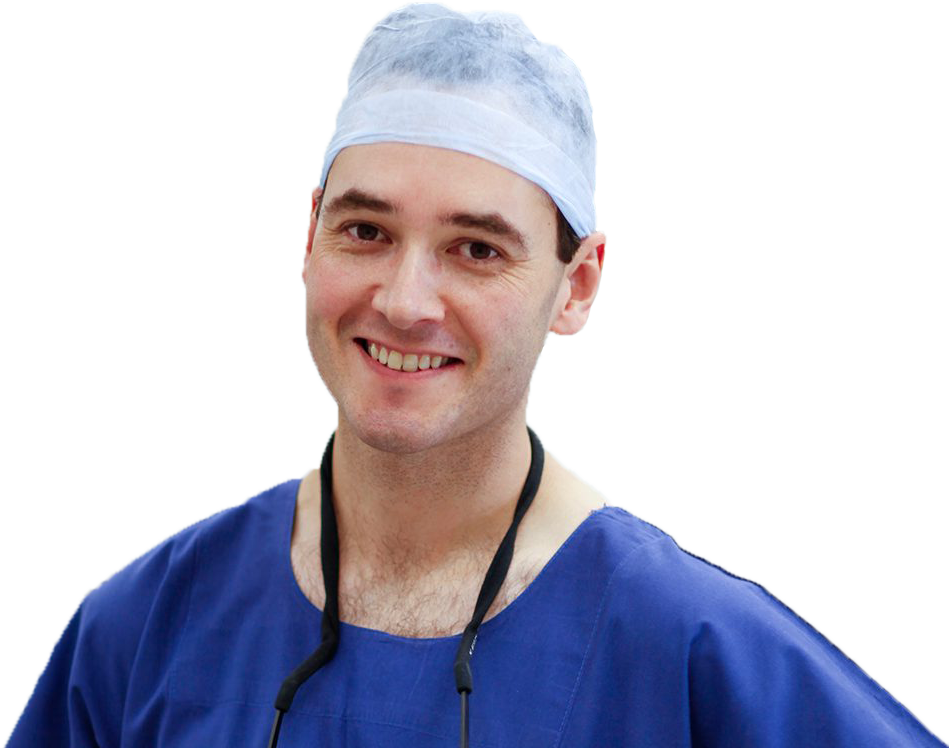
Meet Associate Professor Dean White
A/Prof. Dean White, MBBS, Grad Dip Epid Biostat, FRACS, GAICD
Our Commitment to Excellence in Surgery
Dean White is dedicated to providing the most valuable treatments to his patients.
Dean’s strong commitment to his craft has inspired a long history of continued training and education in the field for reconstructive surgeons.
He is now specialising in multiple branches of plastic and reconstructive surgery.
Dean White is a member of The Australian Society of Plastic Surgeons (ASPS)
Academic and Professional Qualifications
Why Choose Associate Professor Dean White?
Choosing the right plastic surgeon is an important decision. Associate Professor Dean White offers patients a unique combination of surgical expertise, personalised care and proven results. Here’s why so many patients trust Dean White with their care:
- Trusted & Highly Experienced: A/Prof Dean White is a FRACS-qualified Specialist Plastic Surgeon with over a decade of experience, performing thousands of successful procedures for patients across Melbourne.
- Personalised Care & Thorough Consultations: He prioritises a patient-first approach, offering comprehensive consultations to understand your goals and develop a tailored surgical plan. Expect clear, honest communication every step of the way. Committed to modern techniques and aesthetic excellence, A/Prof White aims for refined, natural-looking results that reach your ideal condition and goals.
- Highest Standards of Safety & Ethics: As a member of the Royal Australasian College of Surgeons (FRACS) and the Australian Society of Plastic Surgeons (ASPS), A/Prof White adheres to the strictest safety protocols and ethical guidelines.
- Central Melbourne Location (Box Hill): Conveniently located in Box Hill, serving patients from all over Melbourne, with procedures performed in accredited hospital facilities.
When you choose Associate Professor Dean White, you are choosing an experienced Melbourne plastic surgeon who places your safety, wellbeing and results first.


Your Patient Journey With Dean White
The aim for our team is to provide our patients with the highest level of care possible.
We have created and compiled various resources for our patients so they can feel comfortable undergoing surgery, understand the risks of the procedures, and have access to reputable information. Prepare for your procedure by reviewing our information for new patients.
Deciding to undergo plastic surgery and choosing your surgeon can be a significant decision.
Associate Professor Dean White is experienced in providing a high standard of care for thousands of patients with diverse goals and unique requests. Offering a wide range of surgery options spanning both reconstructive and cosmetic surgery, most commonly seeing eyelid surgery (blepharoplasty), breast augmentation, breast lift (mastoplexy) and breast reconstruction surgeries – Associate Professor Dean White can perform your procedure with skill and precision. Associate Professor Dean White has developed a remarkable reputation over the years via his skillful execution of complex procedures, allowing new patients to feel confident in selecting him as their surgeon of choice.
Choosing an experienced cosmetic surgeon to perform your surgery means you can feel confident about achieving the results you are seeking.
Latest News

Anaesthetic in Plastic Surgery
If you’re preparing for surgery, your thoughts often move past the procedure itself to a more immediate question: What actually happens when you go under?

What To Consider Before Eyelid Surgery (Blepharoplasty)
Blepharoplasty, most commonly referred to as eyelid surgery, is a type of surgery that can correct the appearance of the upper eyelids, lower eyelids or

What Is The Difference Between Abdominoplasty and Body Lift (Circumferential Abdominoplasty)?
Deciding between a tummy tuck (abdominoplasty) or a body lift (circumferential abdominoplasty) procedure is dependent on what you require and what you are hoping to

How To Reduce Swelling After Tummy Tuck (Abdominoplasty)
Certain steps can be taken to ensure a smooth recovery following tummy tuck surgery. If you are considering abdominoplasty, you may be wondering what
Frequently Asked Questions
What should I look for when choosing a plastic surgeon?
When choosing a plastic surgeon, it’s important to consider their experience, qualifications, surgical results and communication style. Associate Professor Dean White is an experienced, Melbourne-based plastic surgeon committed to providing personalised and transparent care.
Is Associate Professor Dean White a qualified plastic surgeon?
Yes, Associate Professor Dean White is fully qualified, holding an MBBS, a Fellowship from the Royal Australasian College of Surgeons (FRACS) and membership with the Australian Society of Plastic Surgeons (ASPS).
Where is Dean White’s plastic surgery clinic located?
Our clinic is conveniently located in Box Hill, Melbourne, offering consultations and surgical procedures tailored to each patient’s goals.
What procedures does Dean White offer?
Dean White offers a comprehensive range of plastic surgery procedures including breast surgery, body surgery, face and neck lift surgery, skin cancer treatments and reconstructive surgery.
Our Box Hill Clinic
Suite 1, Level 1, The Avani Building
Central Park Business Centre
12 Nelson Road, Box Hill VIC 3128